Qianlong Ancient Yuexuan Porcelain

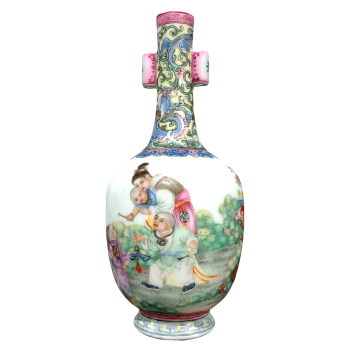
Qianlong Ancient Yuexuan Porcelain

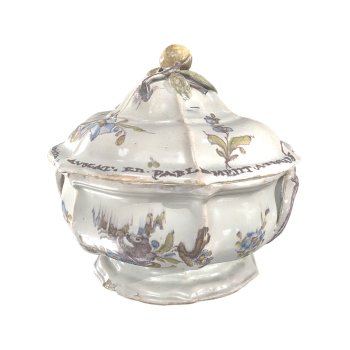
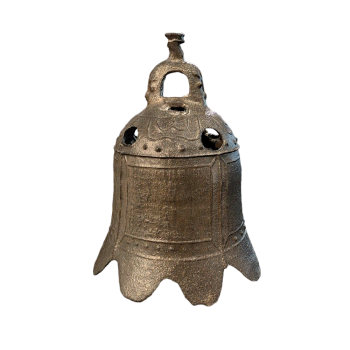
This porcelain vase was made between 1736 and 1795. It belongs to China's Qing Dynasty (1644-1911) and Qianlong (1736-1795). The porcelain vase is decorated with colored franc glaze and belongs to "ancient yuexuan porcelain". The overall height of the porcelain vase is 15.4cm (6 and 1/16 inches). This porcelain vase is currently in the collection of the Cleveland Museum of Art, funded by the John L. Severance Foundation (collection number: 1963.514).
Nineteenth Century Crafts Shepherd's Cane Axe

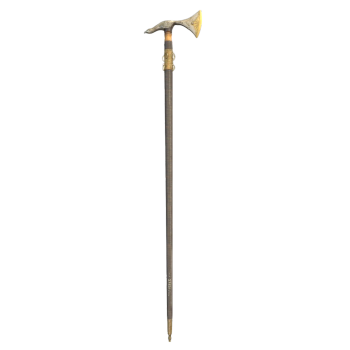
Nineteenth Century Crafts Shepherd's Cane Axe

This cane-axe was made in 1868 in Zakopane (Zakopane), Poland, by Józef Krzeptowski. Its design was inspired by the Highland Shepherd's axe for support while hiking. The cane is made of long, narrow maple wood with a French-polished finish. They are called "ciupagas" (shepherd's axe) in the Podehalle area, and young shepherds often throw them at targets or in the air and catch them while dancing to demonstrate their agility.
Seventeenth Century Crafts King Solomon's Beer Mug

Seventeenth Century Crafts King Solomon's Beer Mug

This beer mug depicting the Queen of Sheba and King Solomon was made in Königsberg (Königsberg) between 1686 and 1689 by Schwerdfeger nigsberg. The Queen of Shabba visits King Solomon. The main body of the beer glass is a double-layered, smooth cylindrical container covered with a shell decorated with relief, showing the scene of the Queen of Sheba in front of King Solomon. The Queen's entourage can be seen in the background, including men wearing ancient armor, women camels carrying gifts, and the Queen of Sheba kneeling before King Solomon.
19th century collection square bottle porcelain perfume bottle

19th century collection square bottle porcelain perfume bottle

This square porcelain perfume bottle is currently in the collection of the Sosenko Family Foundation and is one of the Foundation's precious collections. The bottle body is decorated with hand-painted floral patterns, demonstrating superb craftsmanship and artistic value. It is not only a perfume container, but also a work of art. Its design is inspired by natural landscapes and is made using complex craftsmanship.
Eighteenth-century collection heart-shaped porcelain perfume bottle

Eighteenth-century collection heart-shaped porcelain perfume bottle

The heart-shaped porcelain perfume bottle is one of the precious items in the collection of the Sosenko Family Foundation. The design of the perfume bottle is very unique, the bottle body is heart-shaped, with metal decoration and bottle cap at the bottleneck. The sides of the bottle are decorated with red stripes and hand-painted gold arches. The surface of the bottle is decorated with a large flower pattern with leaf stems. The metal decoration and bottle cap are made by casting technology and decorated with floral patterns.
Nineteenth Century Collection Porcelain Florals Perfectionery Bottle

Nineteenth Century Collection Porcelain Florals Perfectionery Bottle

This porcelain vase is one of the precious items in the collection of the Sosenko Family Foundation. The porcelain vase is hand-painted with exquisite floral miniature patterns and plated with gold-edged, demonstrating superb craftsmanship and artistic value. Porcelain bottles are usually made of high-grade materials, and hand-painted patterns may be completed by skilled craftsmen, reflecting the exquisite skills of the producers and the ultimate pursuit of details.
Nineteenth Century Collection Porcelain Scenery Perfectionery Bottle

Nineteenth Century Collection Porcelain Scenery Perfectionery Bottle

The porcelain landscape perfume bottle is one of the precious items in the collection of the Sosenko Family Foundation. The design of the perfume bottle is very unique, the bottle body is decorated with exquisite landscape patterns, showing superb craftsmanship and artistic value. Perfory bottles are usually made of high-grade materials, and the landscape patterns on the bottle body may be hand-painted or carved, reflecting the maker's superb skills and the ultimate pursuit of details.
The national emblem of the Kingdom of Poland in the nineteenth century

The national emblem of the Kingdom of Poland in the nineteenth century

This 19th century emblem of the Kingdom of Poland comes from a drugstore in Jedrzejov. The emblem is beautifully designed and symbolizes the authority and history of the Kingdom of Poland. It is currently housed in the Museum of Pharmacy, Jaguellów University School of Medicine, Kraków.
Joachim Lieberman's Pocket Watch

Joachim Lieberman's Pocket Watch

This pocket watch belongs to Joachim Lieberman and symbolizes the personal history and family destiny of that era. This pocket watch is not only a personal item, but also reflects the social background and historical events of that period. The exquisite design and precise craftsmanship of the pocket watch demonstrated the superb craftsmanship of watch making at that time. Joachim Lieberman's pocket watch is now in the museum as a historical witness, recording the story and people's lives during that turbulent period. Joachim Lieberman's pocket watch is currently in the Auschwitz Jewish Center Museum.
Eighteenth-century collection Guerlain perfume bottle

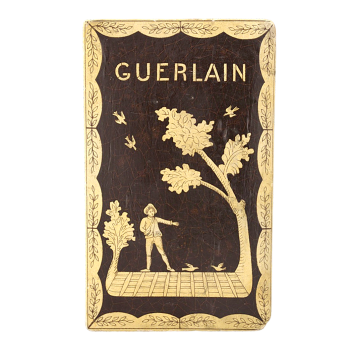
Eighteenth-century collection Guerlain perfume bottle

Guerlain perfume bottle is made by the famous French perfume brand Guerlain (Guerlain). Guerlain perfume bottles are known for their exquisite design and noble quality. The design of perfume bottles is usually very unique, reflecting the brand's ultimate pursuit of detail and craftsmanship. This perfume bottle is currently collected by the Sosenko Family Foundation and is one of the foundation's precious collections.
Gold-plated Dragon Carving Tripod Furnace with Hollow Cover
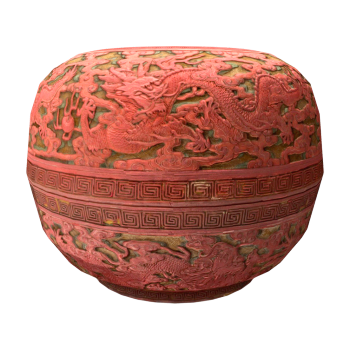
Gold-plated Dragon Carving Tripod Furnace with Hollow Cover

The dragon-shaped stove with a hollow lid and handle is a precious object stored in the National Museum of Krakow, Poland. The lid of this tripod stove is carved with a delicate openwork pattern, while the handle is designed in a stylized dragon shape. This design not only reflects the superb craftsmanship, but also reflects the symbolic meaning of the dragon in traditional Chinese culture.
18th century Qianlong period palace carved lacquer box
18th century Qianlong period palace carved lacquer box

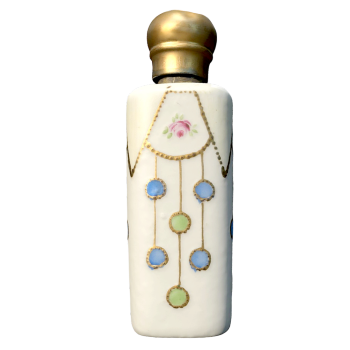
The carved lacquer box was created by the Qing court workshop during the period of Emperor Qianlong. Carving lacquer is a fine traditional process, made by multi-layer lacquer coating and complex engraving technology. These crafts usually display superb skills and exquisite design, symbolizing imperial power and nobility. This carved lacquer box is currently in the collection of the Jaguelon University Museum in Poland.
19th Century Collection Art Nouveau Perfume Bottle

19th Century Collection Art Nouveau Perfume Bottle

This porcelain perfume bottle is part of the Sosenko Family Foundation collection and showcases the unique Art Nouveau style of that period. The characteristics of Art Nouveau include the smooth curves of nature, the form of plants and the ornate decoration. This perfume bottle is not only a daily necessities, but also a work of art, reflecting the pursuit of beauty in the new art style and the artistry of life.
Eighteenth Century Bone Double-barrelle Flintlock Pistol

Eighteenth Century Bone Double-barrelle Flintlock Pistol

This pistol is currently collected in the Museum of the Academy of Fine Arts in Krakow. This pistol is a product of the 18th century. It is made of bone, brass, iron, wood and other materials through casting, forging and riveting.
Huzur District Memorial Dinner Plate

Huzur District Memorial Dinner Plate

The collection, a commemorative plate from the Huzur region, is currently on display at The Seweryn Udziela Ethnographic Museum in Kraków. The plate dates back to the 20th century and is made from a variety of materials, including wood, glass and brass. The Huzur region is known for its unique folk art and multiculturalism, and this commemorative plate is one of the representatives of these cultural heritages.
Polish Eagle Ware

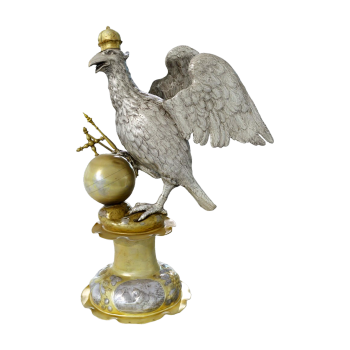
Polish Eagle Ware

This vessel is displayed in the National Art Collection at Wawel Royal Castle. Designed in the shape of a Polish eagle, it showcases Poland's national symbol and artistic style. Wawel Royal Castle is one of the most important historical and cultural sites in Poland, with a large collection of precious works of art and historical artifacts.
18th century statue of Auguste III Wetin

18th century statue of Auguste III Wetin

The statue is displayed in the National Art Collection at Wawel Royal Castle. Auguste III Weiting was the king of Poland and Lithuania who had an important influence on Polish history during his 18th century reign. The statue was carved in the Classicist style using porcelain. Wawel Royal Castle is one of the most important historical and cultural sites in Poland, with a large collection of precious works of art and historical artifacts. This statue is one of the important collections, showing important figures and artistic styles in Polish history.
16th century wood carving of Santa Ana

16th century wood carving of Santa Ana

This sculpture was created in the 16th century and is on display at the Biyates Land Museum. The sculpture depicts the image of Santa Anna, the mother of the Virgin Mary and an important figure in the Christian tradition. The sculpture is carved using wood in the Renaissance style, showing the artistic style and craftsmanship of the time.
Bust of Josef Poniatowski

Bust of Josef Poniatowski

The sculpture was created by Polish sculptor Jakub Tartarkiewicz and is on display at the Krakow National Museum. The sculpture depicts a portrait of renowned Polish military leader Josef Poniatowski. Poniatowski was an important figure in Polish history who fought for Poland's independence and freedom during the Napoleonic Wars.
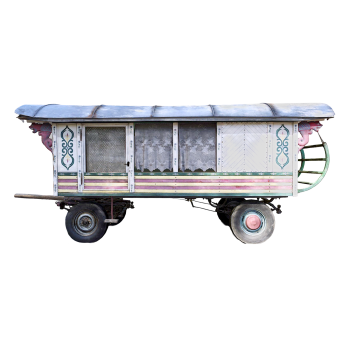
Roma carriage

Roma carriage

The Roma carriage is one of the exhibits in the Tharnuf district museum. The Museum of Ethnology of the Tarnuf District Museum has been operating at its present site since 1984. The museum's courtyard houses a seasonal exhibition called "Gypsy Caravan", which showcases Roma life and culture.
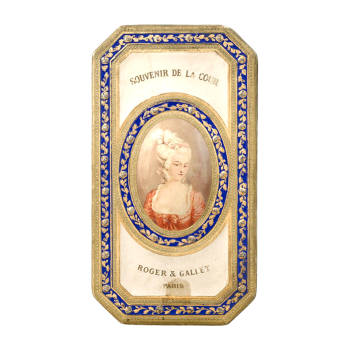
Nineteenth Century Collection Roger and Calais Fragrant Box
Nineteenth Century Collection Roger and Calais Fragrant Box

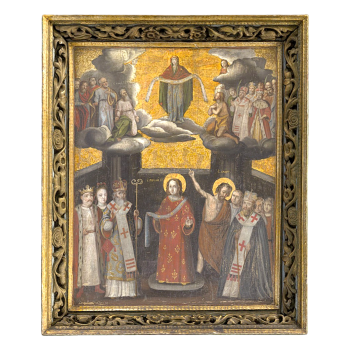
This perfume box is made by the famous French perfume brand Roger & Gallet and belongs to the collection of the Sosenko Family Foundation. The perfume box is decorated with exquisite cardboard and gilt, showing the elegant style of the late 19th and early 20th centuries. The unique charm of Roger & Gallet brand in perfume packaging design is the combination of art and craftsmanship, reflecting the fashion and taste of the time.
Protection of the Virgin Mary

Protection of the Virgin Mary

"The Protection of the Virgin Mary" is a religious painting, which was created in 1703 and is displayed in the Museum of Novi Sunch. The artwork shows superb craftsmanship and profound religious and cultural background, and is one of the precious collections in the museum collection. The depiction of the Virgin Mary protecting her followers is an important theme in Christian art. In paintings, the Virgin Mary is often depicted as a symbol of love and protection, surrounded by a halo.
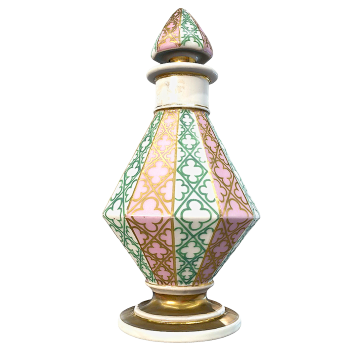
Nineteenth Century Collection Celadon Powder Slant Porcelain Perfume Bottle

Nineteenth Century Collection Celadon Powder Slant Porcelain Perfume Bottle

This porcelain perfume bottle is one of the collections of the Sosenko Family Foundation. It has a unique celadon and pink beveled design and is a treasure in the history of cosmetics. The design of the perfume bottle is very delicate, with celadon and pink bevels set off against each other, adding a touch of elegance and softness to the bottle. This design was very popular in the 19th century, especially among the European aristocracy and upper class.
Eighteenth-century collection gold-plated perfume bottle with floral miniatures

Eighteenth-century collection gold-plated perfume bottle with floral miniatures

The perfume bottle, with its exquisite floral miniatures and gilded decoration, is one of the collections of the Sosenko Family Foundation. This piece shows superb craftsmanship and unique design, and belongs to the treasures in the history of cosmetics. This design was very popular in the 18th century, especially among the European aristocracy and upper class. It is not only a cosmetic container, but also a fine art and collectible. Perfume bottles are usually made of porcelain or other precious materials, and the surface is decorated with exquisite paintings and gilded decorations, which reflects people's pursuit of luxury life at that time.